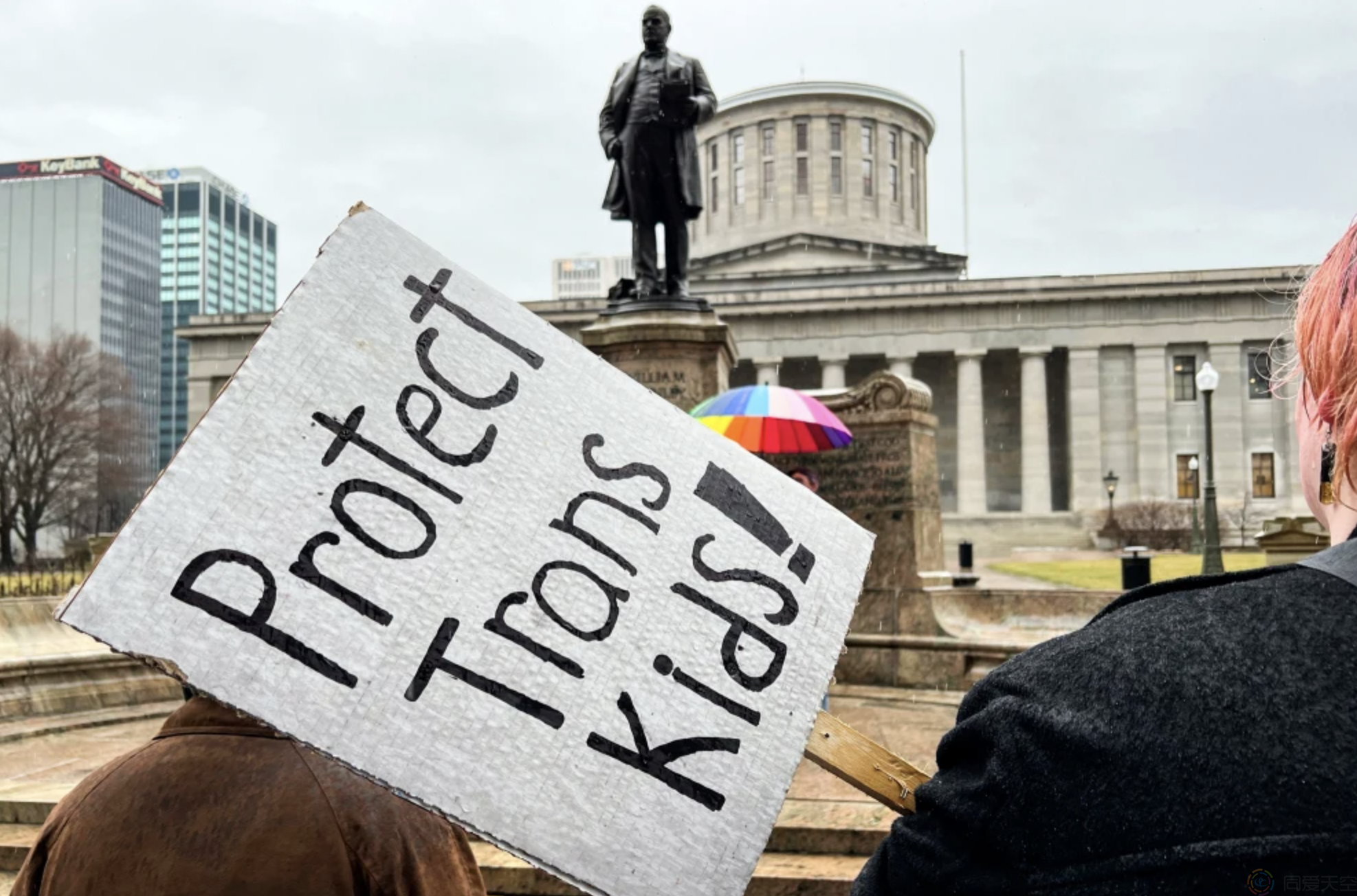
President Donald Trump signed an executive order designed to ban transgender athletes from participating in girls’ and women’s sports.
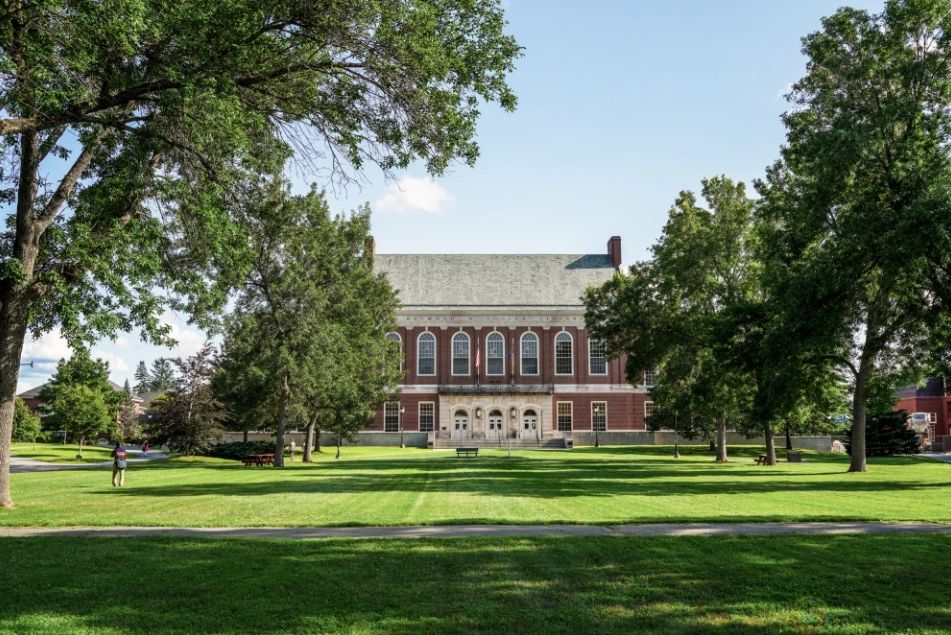
The Office for Civil Rights of the U.S. Department of Health and Human Services announced on Monday that the Maine Department of Education, the Maine Principals’ Association, and a high school in the state had violated Title IX by permitting transgender students to compete in girls' sports.
The agency stated that it is giving these three entities 10 days to commit to resolving the issue through a signed agreement; otherwise, it will refer the matter to the U.S. Department of Justice for appropriate action.
Anthony Archeval, the acting director of the HHS Office for Civil Rights, said in a statement, "The Maine Department of Education cannot shirk its obligations under federal law by ceding control of its extracurricular activities, programs, and services to the Maine Principals’ Association. We hope that the Maine Department of Education, the Maine Principals’ Association, and Greely High School will work with us to reach an agreement that restores fairness in women's sports."
Shortly after taking office, President Donald Trump signed an executive order aiming to ban
transgender athletes from participating in girls' and women's sports. Last month, during a meeting with governors, Trump criticized Maine for not complying with the order and told the state's Democratic governor, Janet Mills, "You'd better comply; otherwise, you won't get any federal funding." Mills responded by saying, "We'll see you in court."
Subsequently, the Trump administration launched an investigation into whether Maine had violated Title IX, which prohibits sex - based discrimination in school programs, by allowing
transgender women and girls to participate in female sports.
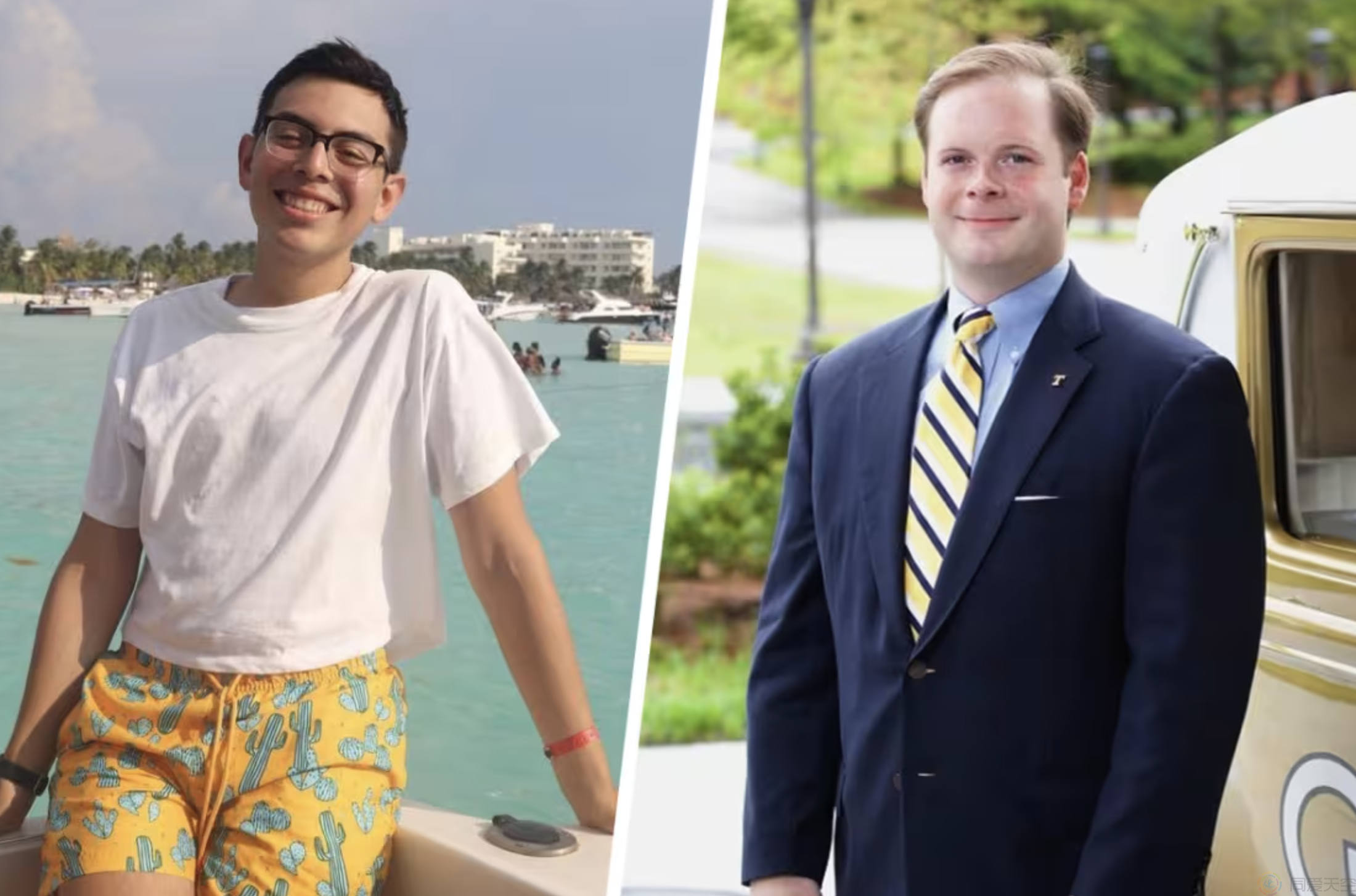
This conflict has put Maine in the national spotlight and reignited the debate over gender and sports. Since then, the Democratic majority in the Maine House of Representatives voted to censure Republican State Rep. Laurel Libby over a controversial post she made before the showdown between Trump and Mills. The post was about a high - school athlete who won a girls' track competition. It included a photo of the student and identified the student by first name in quotation marks, stating that the athlete had previously competed in boys' track.
Ryan Fecteau, the Speaker of the Maine House of Representatives, said in February, "Sharing images of kids online without their consent clearly violates the bond of trust and respect between citizens and their legislators. There is a time and place for policy debates, but it's never on a social media post attacking a Maine student."
Libby then filed a federal lawsuit against Fecteau and House clerk Robert Hunt, claiming that the censure violated her right to free speech. The lawsuit alleged that the censure stripped her of her right to speak and vote on the House floor, disenfranchising thousands of residents in her district. "I have the constitutional right to speak out, and my constituents have the right to full representation in the Maine House," Libby said in a statement. "Biological males have no place in girls' sports. Our girls have every right, under federal law, to fair competition in sports." The lawsuit seeks a judgment that the censure is unlawful and the restoration of Libby's voting and speaking rights on the House floor.
Editor: Newsroom - Robin