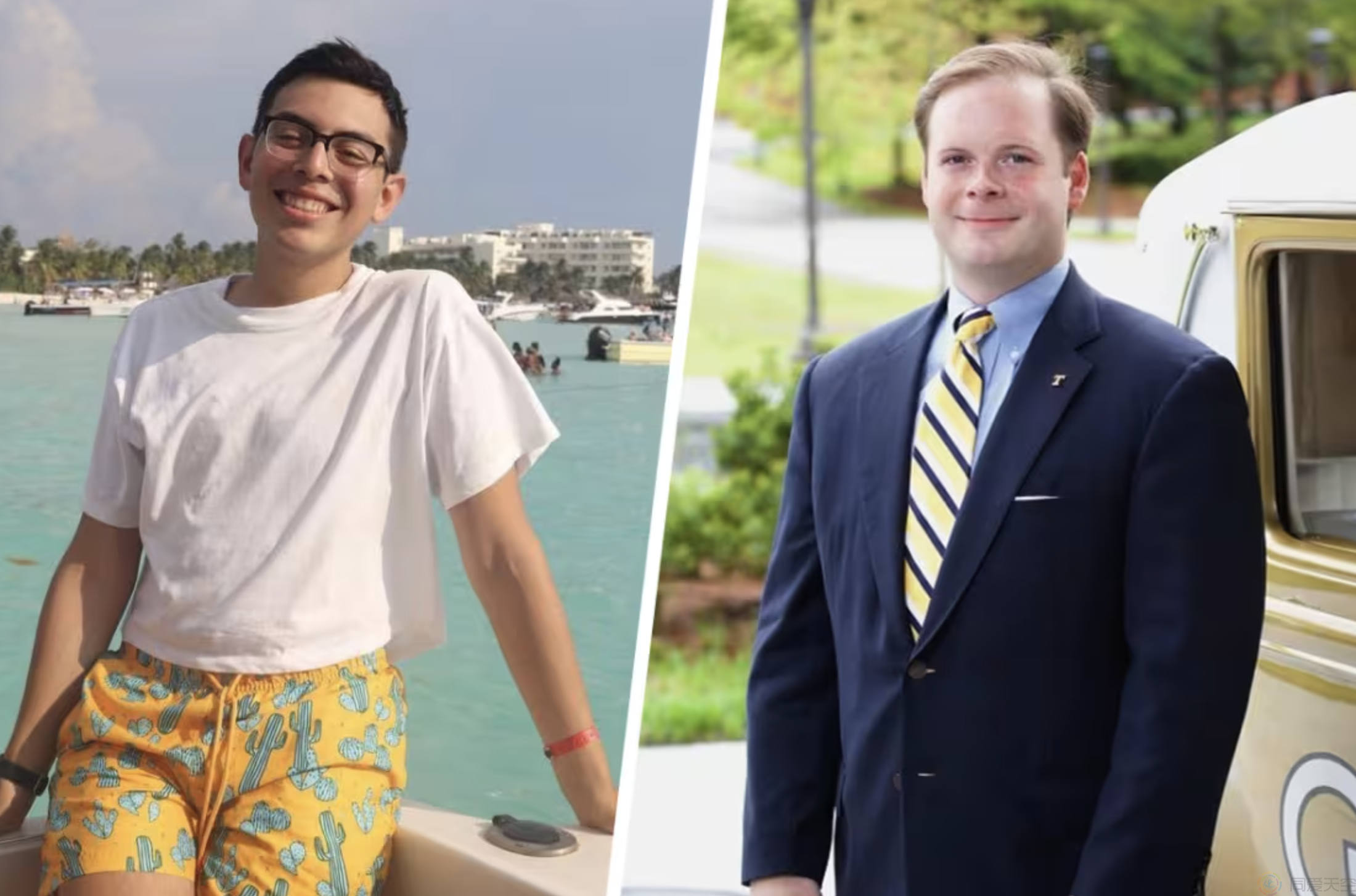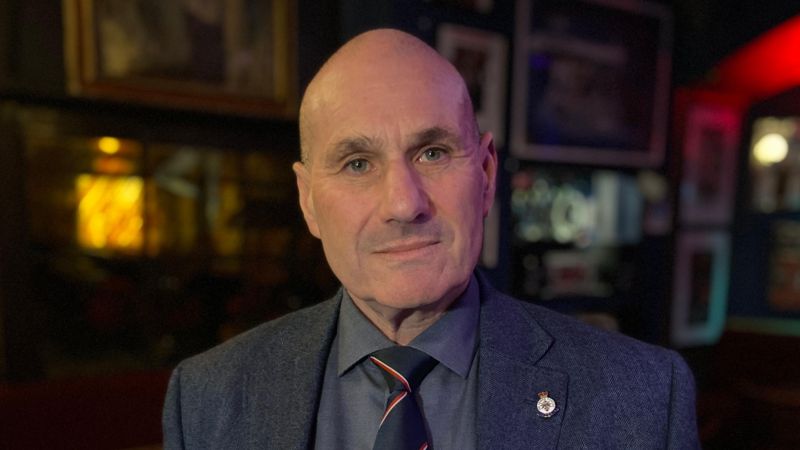
Lt Cdr Duncan Lustig-Prean was forced to leave the Royal Navy in 1994
Recently, the design of a monument dedicated to commemorating the LGBT veterans in the UK who were affected by the military's sexual orientation ban has been unveiled. This significant monument will be unveiled later this year at the National Memorial Arboretum in Staffordshire.
The monument, designed by the Norfolk-based artist collective Abraxas Academy, is in the form of a crumpled bronze letter with words taken from the testimonies of
LGBT military personnel affected by the ban. The design has been highly praised by the veterans. For example, Private Carol Morgan, who was forced to leave the Women's Royal Army Corps (WRAC) in 1982 due to her
lesbian identity, said it was "a fantastic piece of art". She exclaimed, "It shows that we have always existed, and now we are finally recognized."
The process of legalizing homosexuality in the UK began in 1967, but it was not until January 12, 2000, that
LGBT people were legally allowed to serve in the military, with a 33-year gap in between. Before that,
LGBT military personnel suffered a lot of injustices and hardships in the military.
When Lieutenant Commander Duncan Lustig-Prean was serving in the Navy, he had to hide his sexual orientation from his colleagues. He would practice saying "Phyllis" to avoid accidentally calling his partner Phil's name after drinking. He and his partner only signed letters with their initials and hung pictures of women on the wall as a cover. When he went on deployments, his partner could only wave goodbye secretly from a distance. He was once blackmailed by a stranger, which led to the exposure of his sexual orientation, and then he was investigated by the military and dishonorably discharged.
Lieutenant Commander Craig Jones, who also served in the Royal Navy for 19 years, also lived a life of hiding his sexual orientation after meeting his partner. He lied to his colleagues about where he spent his weekends, changed the names of his
gay friends, and hid his naval identity from his friends in Brighton. He witnessed many colleagues suspected of being
gay being taken away by the military police and had a tragic fate.
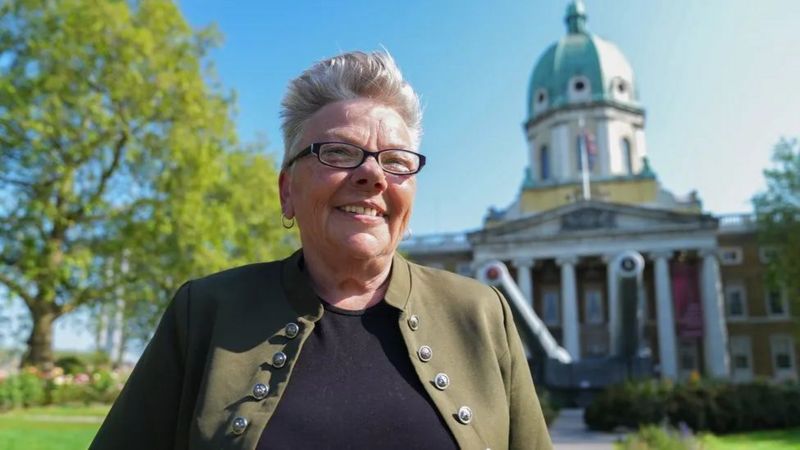
Pte Carol Morgan was forced out of the Army in 1982 after being reported for being in a relationship with another woman
Private Morgan was also extremely careful when she was in a relationship in the military, but she was still reported. During the investigation, her letters and photos were confiscated, she was repeatedly interrogated, and she was even sent to see a male psychiatrist. She was exhausted physically and mentally and was dismissed from the army in 1982. She was in self-denial for many years after that.
After the ban was lifted in 2000, Lieutenant Commander Jones managed to keep his job, but still faced hostility within his unit. However, he also bravely took the step of coming out publicly and took his partner to events.
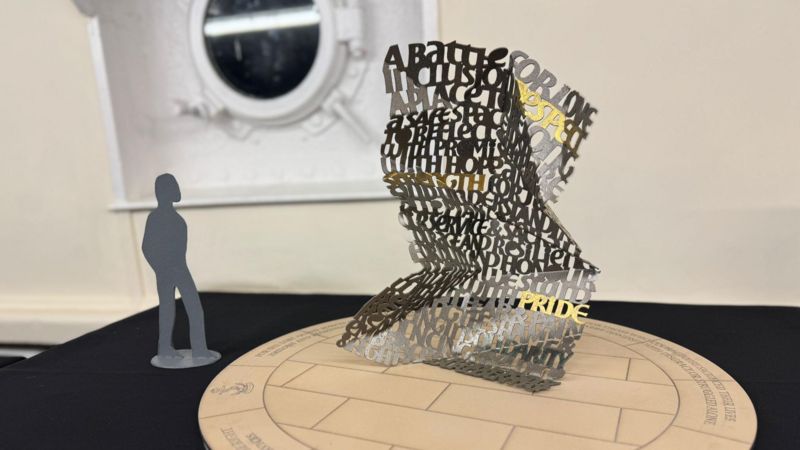
The sculpture, shown in this model, will resemble a large crumpled piece of paper with sentences describing the veterans' campaign for recognition
Now, the establishment of this monument is an important symbol of the society's recognition of
LGBT veterans. Previously, Lord Etherton published a landmark report in 2023 with 49 recommendations, and the monument was one of them. In addition, the efforts of relevant organizations have also promoted the government's commitment to provide up to £70,000 in compensation to the affected veterans, and then-Prime Minister Rishi Sunak apologized publicly on behalf of the country in July 2023.
These veterans said that they could never have imagined such a situation today. The monument is not only a comfort to them but also a symbol of social progress, reminding people to remember that history and cherish the current equality and inclusiveness.
Editor: News Editorial Department - Robin